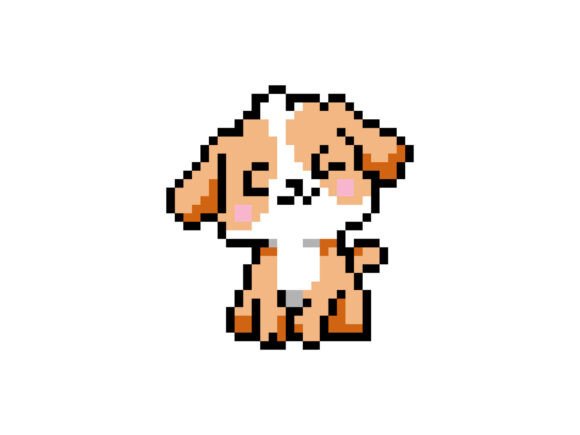
Cute Dog Character Pixel Art Review
A First Look at the Pixel Art Charm
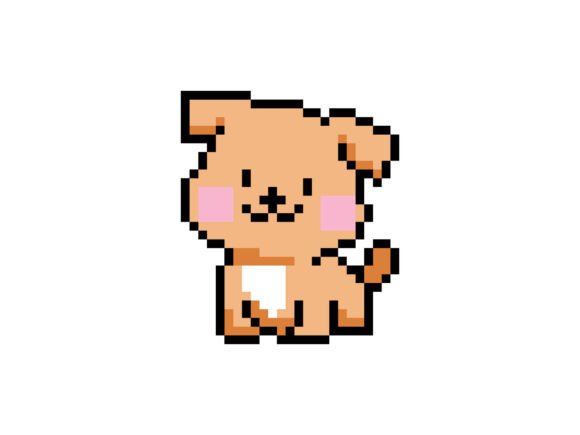
When I first opened the Cute Dog Character Pixel Art file, it immediately struck me as a design with a playful yet refined aesthetic. The pixel art style gives it a nostalgic charm that feels both modern and classic. The dog character is simple but expressive, with well-defined features that make it instantly recognizable. This kind of design naturally lends itself to a variety of handmade and commercial embroidery projects.
The layout is balanced, with enough negative space to avoid overwhelming smaller surfaces while still maintaining a clear visual presence. The theme is universally appealing, making it a great fit for baby items, personalized gifts, or even boutique branding. It's not overly detailed, which is a plus when considering stitch density and fabric compatibility.
Real-Life Embroidery Scenarios
Imagine preparing a custom embroidered tote bag for a small shop or an Etsy listing. The Cute Dog Character Pixel Art would work beautifully on a canvas tote, especially if you use a soft satin stitch around the outline and a fill stitch inside for the dog’s body. The design's simplicity ensures it won’t get lost on larger surfaces, but it also holds up well on smaller items like patches or aprons.
I can see this design being used in sweatshirt embroidery, particularly for kids' apparel where a friendly, whimsical image adds value. It could also be adapted into a holiday embroidery piece by adding seasonal elements around the dog. For baby embroidery projects, such as onesies or bibs, the gentle and cheerful vibe of the design makes it perfect.
If you're looking for something more subtle, the Cute Dog Character Pixel Art can be used as a decorative accent on a pillow cover or kitchen towel. Its clean lines and minimal detail ensure it doesn't overpower the item, while still drawing attention in a charming way.
Where to Use with Caution
While the Cute Dog Character Pixel Art is versatile, there are certain scenarios where extra care should be taken. On small hoop sizes, the design might lose some of its clarity, so it's important to test it first. If using it on textured fabrics or thin fabric, consider using a stabilizer to prevent puckering or distortion.
For stretchy fabric like knits, the design may require additional reinforcement. Also, when working with dark fabric, ensure the thread colors have enough contrast to maintain visibility. If the design includes any tiny lettering or detailed corners, these areas should be inspected closely during the test phase to ensure they stitch cleanly without gaps or errors.
On curved surfaces like caps or hats, the design might need slight adjustments to follow the contours properly. In general, always review the stitch density and hoop size before finalizing your project.
Design Impact and Practical Notes
The Cute Dog Character Pixel Art has a strong visual appeal that can elevate the look of almost any product. Whether it's a personalized gift or a commercial embroidery piece, the design brings a sense of warmth and approachability that customers will appreciate. It helps create a consistent brand identity, especially for craft businesses or Etsy sellers who want to stand out with unique, handcrafted items.
From a practical standpoint, I recommend testing the digital embroidery file on scrap fabric first. Check the thread color contrast against your intended fabric background, and review the stitch density to ensure it won’t cause tension issues. If you plan to sell finished products or digital assets, confirm the licensing terms before moving forward.
Also, consider creating a printable mockup to preview how the design looks on different items. This is especially helpful when presenting to clients or planning an etsy listing. Using proper stabilizer and adjusting for fabric texture can make all the difference in the final finished product.
Overall, the Cute Dog Character Pixel Art is a valuable addition to any designer's toolkit. It offers a blend of charm and versatility that works well across various embroidery applications—from handmade products to small shop merchandise. Just remember to take the time to test and adjust based on the specific needs of your project.